Essential Motorcycle Maintenance Checklist for Winter Storage

Preparing a motorcycle for winter storage involves a series of deliberate steps that protect its mechanical components from the harsh effects of prolonged inactivity. Whether the motorcycle is stored in a heated garage or an unheated shed, the principles of preservation remain consistent. This guide outlines a comprehensive checklist that covers essential maintenance tasks, from fuel treatment to battery care, to minimize the risk of deterioration and facilitate a smoother restart in the spring.
Winter storage is not merely about parking the motorcycle and covering it; it requires attention to fluid dynamics, electrical systems, and vulnerable surfaces. By methodically addressing each area, riders can prevent common issues such as corrosion, seal degradation, and battery discharge. The following sections provide a structured approach, ensuring that no critical step is overlooked.
Initial Cleaning and Inspection
Before any storage preparations begin, the motorcycle should be thoroughly cleaned. Dirt, road grime, and salt residues can retain moisture, leading to corrosion over time. A gentle wash with a pH-neutral cleaner followed by a thorough drying, including hard-to-reach areas, sets a clean foundation. After cleaning, a detailed inspection is prudent. Look for existing damage, loose bolts, or signs of wear that might worsen during storage. Addressing minor issues now prevents them from becoming major repairs later.
Inspect the tires for proper inflation and any cracks or embedded debris. Tires can develop flat spots if left underinflated for long periods. Checking the tread depth and sidewall condition is part of a comprehensive preparation. Additionally, examine the brake system for fluid clarity and pad wear. Any necessary adjustments or replacements are best done before storage, as a fully functional motorcycle is easier to store and recommission.
Lubrication is a key aspect of this stage. Applying a light coat of corrosion-resistant spray to exposed metal parts, such as the chain, cables, and fasteners, creates a protective barrier. For the chain, cleaning and lubricating it thoroughly ensures it does not rust and remains flexible. Similarly, pivot points and control cables benefit from a suitable lubricant. This proactive measure significantly reduces the risk of seizing.
Fuel System Preparation
Fuel left untreated in the tank can degrade, leading to varnish and gum deposits that clog fuel lines, injectors, or carburetor jets. To mitigate this, the fuel tank should be topped off to minimize air space, which reduces condensation and oxidation. Adding a quality fuel stabilizer to the tank and running the engine for several minutes ensures the treated fuel circulates through the entire fuel system. This step is crucial for both fuel-injected and carbureted motorcycles.
For carbureted models, an additional step is recommended: draining the float bowls. Even with stabilizer, residual fuel can evaporate and leave deposits. By removing the drain screws and catching the fuel in a container, the bowls are left empty, preventing gumming. On fuel-injected motorcycles, the system is generally sealed, but the stabilizer helps maintain fuel integrity.
It is also advisable to inspect the fuel lines and vacuum lines for cracks or brittleness. Replacing damaged hoses before storage prevents leaks and ensures proper fuel flow when the motorcycle is revived. Finally, labeling the fuel tank with the date and type of stabilizer used can be helpful for future reference.
Battery Maintenance and Care
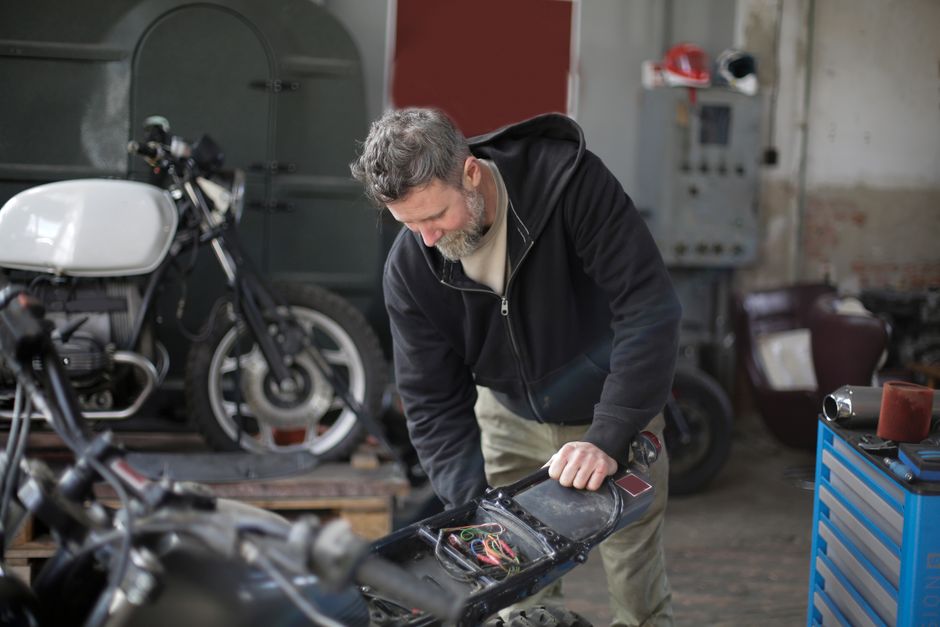
Batteries are particularly vulnerable during long periods of inactivity. If left connected, even with the ignition off, parasitic draws can slowly discharge the battery. A fully discharged battery can suffer from sulfation, which reduces its capacity and lifespan. The best practice is to remove the battery from the motorcycle and store it in a cool, dry place, avoiding freezing temperatures. Before removal, ensure the area around the terminals is clean and note the orientation for reinstallation.
Once removed, clean any corrosion from the terminals with a solution of baking soda and water, then rinse and dry thoroughly. Apply a thin layer of dielectric grease to the terminals to inhibit future corrosion. Store the battery on a smart charger or maintainer that is designed for battery types, as these devices monitor charge levels and deliver only the necessary current to keep the battery topped up without overcharging. It is advisable to check the battery voltage monthly and ensure the charger is functioning correctly.
Proper battery care not only extends the life of the battery but also ensures that the motorcycle is ready to start after months of dormancy.
Fluid Changes and Inspection
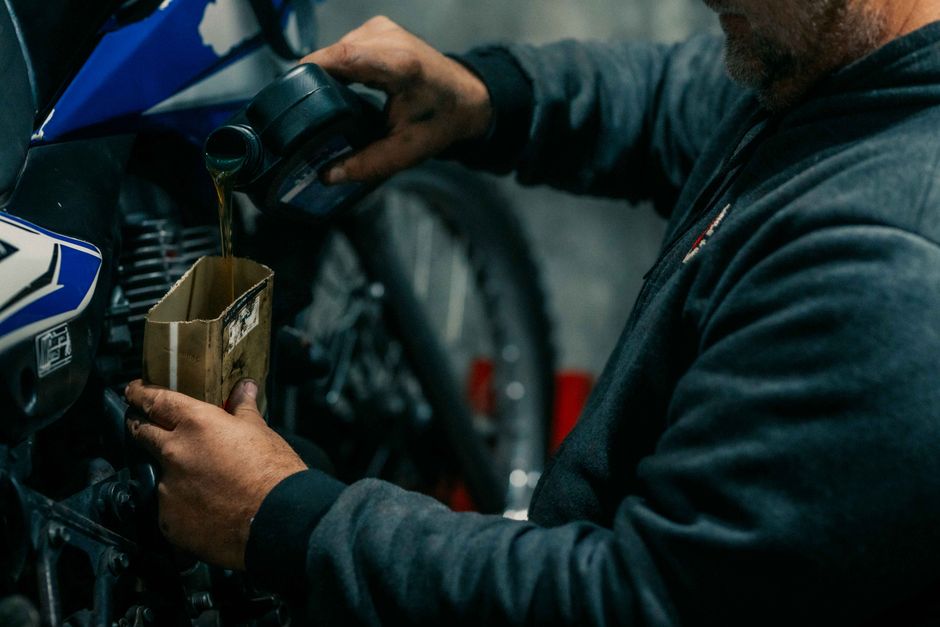
Changing engine oil before storage is a highly recommended practice. Old oil contains acids and contaminants that can corrode internal components over time. Fresh oil with appropriate additives protects the engine during storage. Similarly, the coolant, if due for replacement, should be changed to prevent freezing and corrosion. Check the owner’s manual for the recommended intervals.
Brake fluid is hygroscopic, meaning it absorbs moisture from the air. This moisture can cause corrosion in brake components and lower the boiling point of the fluid, compromising safety. While not always necessary to change annually, checking the fluid’s condition and level is prudent. If the fluid appears dark or gritty, it is wise to replace it. Additionally, inspect the brake lines for any signs of wear or leakage.
Other fluids, such as hydraulic clutch fluid (if applicable) and fork oil, should be reviewed. Fork oil rarely needs frequent changes, but ensuring there are no leaks and the levels are correct is part of a thorough inspection. Documenting any fluid changes with dates and mileage helps maintain a service history that can be valuable for future maintenance planning.
Protection and Covering
The motorcycle should be positioned in a clean, dry area, preferably with a soft surface to prevent tire flat spots. If possible, use a front or rear stand to lift the wheels off the ground, relieving pressure on the tires and suspension. Alternatively, placing boards under the tires can help, but bearing load is still a concern. For suspension, some riders prefer to leave it fully extended or use padding to reduce stress on seals.
Covering the motorcycle is essential, but the type of cover matters. A breathable, form-fitting cover allows moisture to escape while protecting against dust and light scratches. Using a non-breathable material can trap condensation, leading to corrosion. Ensure the cover is securely fastened but not so tight that it rubs against the paint. Before covering, apply a light coat of protectant to the seat, dashboard, and other plastic or rubber parts to prevent fading and cracking.
Finally, consider placing a moisture-absorbing product, such as silica gel packets or a dehumidifier, in the storage area. This helps control humidity and reduces the likelihood of moisture-related issues. Regularly check on the motorcycle during the winter, inspecting for any dampness, pests, or signs of trouble. Taking these steps not only preserves the motorcycle but also eases the transition back to riding season.